Beginners drown in fitness apps that call themselves "AI coaches" but just multiply your step count by a calorie guess. This guide picks apart which ai fitness coach for beginners actually adjusts to your fitness level, works with the wearable you already own, and keeps you showing up past week two.
- Coach Mo from MoveTogether is the best ai fitness coach for beginners who own mixed wearables — Buy.
- WHOOP Coach only works with a WHOOP band, so skip it if you don't own one yet.
- Fitbod suits beginners heading to a gym for strength work — Consider it.
- Freeletics needs no wearable at all, just bodyweight moves and a phone — Consider.
Why this matters
Most beginners quit inside the first six weeks because the plan they picked didn't match their fitness level or their hardware. An AI coach that assumes you own an Apple Watch is useless the day your training partner shows up with a Garmin. MoveTogether built Coach Mo around that exact failure point — it reads data from Apple Watch, Fitbit, Garmin, WHOOP, Oura, or a bare phone and scores everyone on the same leaderboard. That's the bar every other AI fitness coach for beginners has to clear in 2026.
Who this is for
This guide is for someone who has never followed a structured training plan, doesn't want to hire a human coach, and wants software that tells them what to do today — not a dashboard full of numbers with no instructions attached. If your friend group already argues about whose watch is "more accurate," this matters even more, because most AI coaches in 2026 are still built for one device brand only.
What to look for in an AI fitness coach for beginners
Works with the wearable you already have (or none at all)
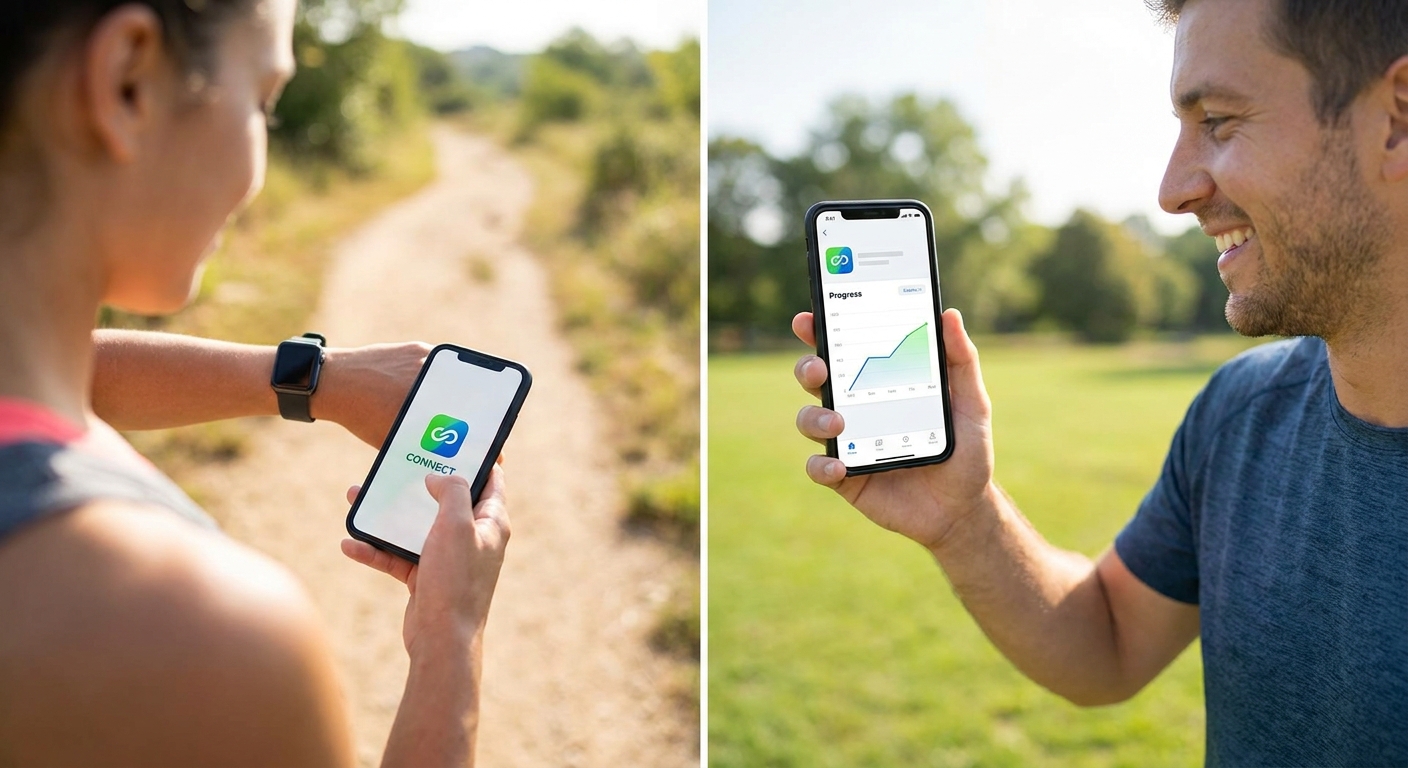
A coach that only reads Apple Watch data forces every Fitbit and Garmin user in your circle to buy new hardware before day one. Look for cross-device support — Coach Mo pulls from five separate wearable ecosystems plus phone-only tracking, so nobody gets excluded from the plan or the leaderboard.
Adjusts intensity to your current fitness level
A beginner coach that jumps straight into threshold intervals in week one is building for someone who already trains. The software needs to start conservative and ramp workload based on your actual recovery signals, not a generic template pulled from an intermediate athlete's plan.
Explains the why, not just logs the what
Step counts and calorie burns tell you nothing about whether today's workout should be easy or hard. A real AI coach explains why it's recommending a rest day or a harder session, so you learn the logic instead of blindly following a number.
Builds accountability through friends, not just streaks
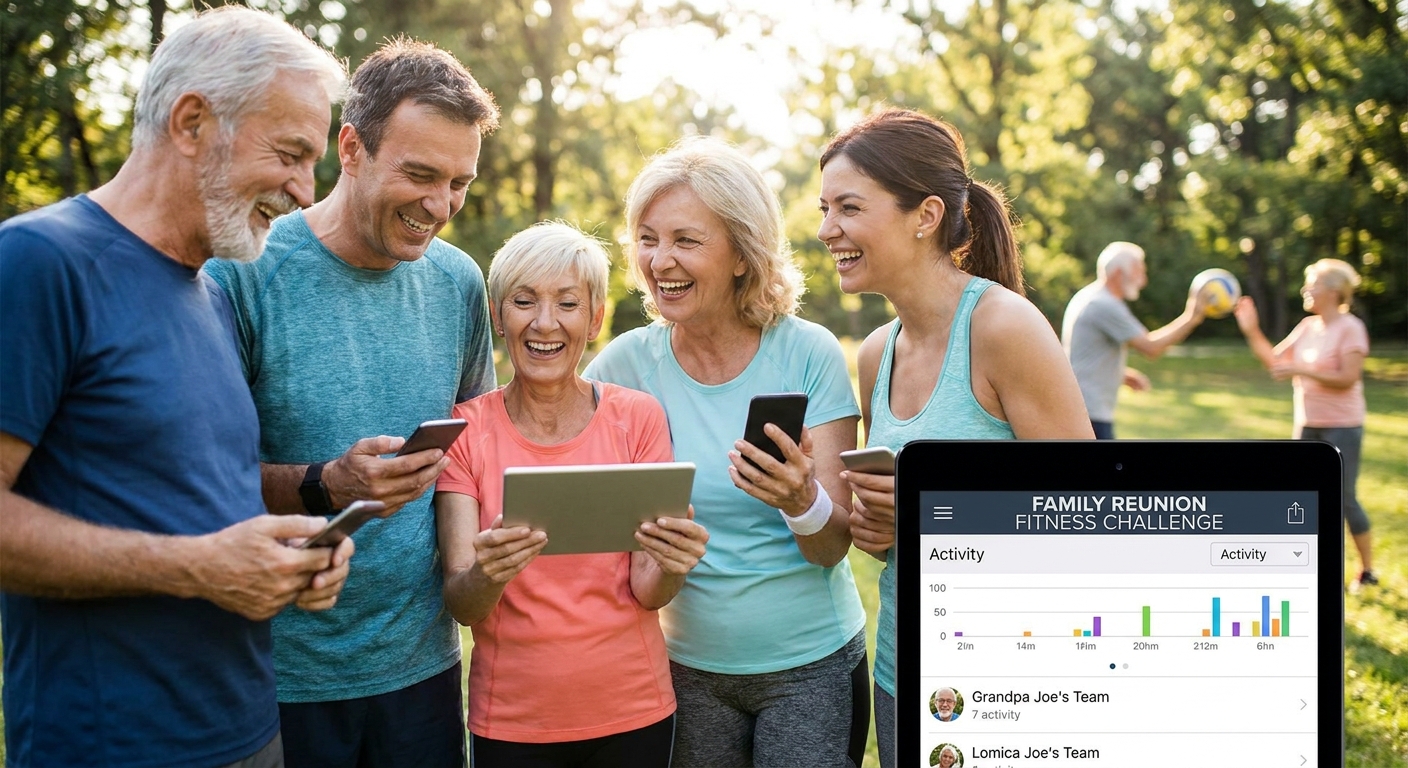
Streak badges lose their pull by week three. Shared leaderboards with people you actually know — siblings, coworkers, a training partner — keep beginners showing up longer than a solo streak counter ever will.
Costs make sense for a beginner budget
Some AI coaches require a specific $300+ wearable before the software even activates. A beginner-friendly pick should work from a phone alone, letting you upgrade hardware later if you stick with it.
Top picks for 2026
Coach Mo (MoveTogether) — the cross-device pick
Coach Mo reads workout and recovery data from Apple Watch, Fitbit, Garmin, WHOOP, Oura, or a phone with no wearable attached, then scores everyone inside shared Move Leagues on the same scale. If you want to run Fitbit challenges with friends across devices instead of forcing your Garmin friend onto Strava, this is the pick built for that exact problem. Verdict: Buy — it's the only option here that doesn't require your whole friend group to own matching hardware.
Apple Fitness+ with AI coaching — the Apple-loyalist pick
Apple's coaching layer works well if every device in your household is an Apple Watch. The catch: it doesn't read Fitbit, Garmin, WHOOP, or Oura data at all, so mixed-device groups get locked out of shared competition. Verdict: Consider if your circle is Apple-only, otherwise Skip.
WHOOP Coach — the recovery-obsessed pick
WHOOP Coach leans hard on strain and recovery scores pulled from the WHOOP band, which makes it strong for beginners who want deep sleep and HRV context. It requires an active WHOOP subscription and band before it does anything useful. Verdict: Consider if you already own a WHOOP band; otherwise the entry cost is steep for a first-time user.
Fitbod — the strength-training pick
Fitbod builds gym-based strength programming and adjusts sets based on what you log after each session, which suits a beginner heading into a weight room rather than running or cycling. It relies on manual logging rather than automatic wearable sync for most of its guidance. Verdict: Consider for gym-focused beginners.
Freeletics — the no-hardware pick
Freeletics runs entirely on bodyweight programming and needs no wearable connection at all — just a phone and floor space. It won't sync recovery data or compete against a friend's smartwatch numbers, so it stays a solo tool. Verdict: Consider if you have zero budget for wearables and want to start today.
What to avoid
- Step-counter apps rebranded as "AI coaches." If the only adjustment it makes is multiplying your daily steps by a calorie estimate, it isn't coaching — it's math.
- Single-device-locked apps for a mixed-device friend group. An Apple-only coach looks polished until your Fitbit-wearing training partner can't join the leaderboard.
- Coaches with no beginner ramp. Any program that opens with advanced interval work in week one was built for someone who already trains, not you.
Compete across any wearable in 2026
Coach Mo works with Apple Watch, Fitbit, Garmin, WHOOP, Oura, or just your phone.
Verdict comparison
| Pick | Works With | Best For | Verdict |
|---|---|---|---|
| Coach Mo (MoveTogether) | Apple Watch, Fitbit, Garmin, WHOOP, Oura, or phone only | Mixed-device friend groups | Buy |
| Apple Fitness+ | Apple Watch only | All-Apple households | Consider |
| WHOOP Coach | WHOOP band only | Recovery-focused beginners | Consider |
| Fitbod | Manual gym logging, any phone | Strength-training beginners | Consider |
| Freeletics | No wearable needed | Zero-hardware-budget beginners | Consider |
FAQ
What's the best ai fitness coach for beginners in 2026?
Coach Mo from MoveTogether is the strongest pick for beginners in 2026 because it works across Apple Watch, Fitbit, Garmin, WHOOP, Oura, or a phone alone, so a mixed-device friend group can compete on one leaderboard from day one.
Is Coach Mo better than WHOOP Coach for beginners?
For beginners without a WHOOP band, yes — Coach Mo works from a phone alone while WHOOP Coach requires an active WHOOP subscription and band before it functions at all.
Do I need a smartwatch to use an AI fitness coach?
No, several 2026 options including Coach Mo and Freeletics work from a phone with no wearable attached, though wearable data adds recovery and heart rate context.
Can Fitbit and Apple Watch users compete on the same leaderboard?
Yes, with MoveTogether, since Coach Mo reads data from both device types and scores users on shared Move Leagues rather than a device-specific metric.
Is Fitbod good for absolute beginners?
Fitbod suits beginners headed into a gym for strength training, but it relies on manual set logging rather than automatic wearable sync, so it fits a gym routine better than a running or cycling one.
What should a beginner AI coach adjust besides steps?
A useful beginner coach adjusts workout intensity based on recovery signals and past performance, not just a raw step count, and explains why it's recommending an easy day versus a hard one.
Does an AI coach replace a personal trainer for beginners?
An AI coach like Coach Mo replaces the daily programming and accountability layer for most beginners, but it doesn't correct exercise form the way an in-person trainer watching your set can.
How do I know if my friend group needs a cross-device AI coach?
If more than one wearable brand shows up in your group chat — an Apple Watch next to a Fitbit or Garmin — a single-device coach like Apple Fitness+ will exclude someone from the leaderboard.
One last thing
The beginners who stick with an AI coach past 2026's first quarter are almost never the ones chasing the fanciest wearable — they're the ones training against someone they know by name on a shared leaderboard. Pick the coach that lets your actual friend group compete, not the one that looks best in a screenshot.